A Practical Guide to Linen Care: Stain Removal, Washing, and Longevity
A Vogue-inspired, editorial deep-dive into keeping linen textiles pristine and durable. From stain mastery to washing rituals and seasonal storage, this guide translates the science of fibers into chic, actionable steps for everyday life.
Introduction: The Linen Promise
Linen is more than a fabric; it is a lifestyle—an heirloom of texture, breathability, and quiet luxury. The domain lorrainelinens.com suggests a narrative that sits at the crossroads of heritage and modern care. In this guide, we celebrate linen’s natural character while empowering you with techniques that protect and prolong its beauty. Think of linen as a partner in your home: it softens over time, it wicks moisture with grace, and it rewards thoughtful care with longevity that outlives trends.
Chapter 1: Stain Removal — Quick-Start Mastery
Stains are inevitable, but linen’s resilience can outsmart many of them when approached with the right plan. The key is to act promptly yet calmly, using agents compatible with linen fibers. This chapter distills evidence-based stain removal into practical, repeatable steps you can rely on, whether you’re facing tea spills, wine, or grease on a duvet cover.
General Stain Protocol
Act quickly to prevent setting. Blot—don’t rub—using a clean cloth to lift excess liquid.
Test any stain remover on an inconspicuous seam before full application.
Treat with a gentle solution. For most stains, a paste of gentle detergent and water or a diluted stain remover designed for delicate fabrics works well.
Rinse with cold water, then launder as usual on a gentle cycle.
Common Stains and Safe Approaches
Wine or fruit juice: Blot, apply a small amount of enzyme-free detergent, then rinse. For persistent color, apply lemon juice with sun exposure as a gentle booster (do not overdo sun).
Grease or oil: Sprinkle a light layer of talc or baking soda to absorb, brush off, then treat with a degreasing detergent.
Ink or dye transfers: Dab with isopropyl alcohol on a white cloth, then launder. Test first; alcohol can affect colors.
Blood: Rinse with cold water; if needed, apply a small amount of hydrogen peroxide (3%) and rinse again. Use sparingly on darker linens to avoid color loss.
Chapter 2: Washing Linen — The Gentle Science
Linen loves a gentler touch. Its fibers are strong but respond beautifully to careful laundering. The aim is to preserve softness, prevent wrinkling, and maintain color integrity while keeping fibers free from abrasive wear. Here are guidelines distilled from textile science and expert practice, translated into wardrobe-ready steps.
Water Temperature & Detergent
Use cold to warm water (not hot) to minimize fiber fatigue and shrink risk. Linen loves to breathe, and cooler temperatures protect color and texture.
Choose a mild, pH-balanced detergent. Avoid heavy-duty detergents with optical brighteners that can leave residue on natural fibers.
Avoid bleach on linen; opt for color-safe or oxygen-based alternatives only when necessary and tested on a hidden seam.
Washing Cycle & Drying
Run on a gentle cycle with a short spin, then remove promptly to reduce wrinkling.
Line-dry where possible to preserve texture and avoid high-heat wear. If using a dryer, choose a low-heat or delicate setting and remove while still slightly damp for a natural crease pattern.
For duvet covers and sheets, consider washing with similar fabrics to maintain balanced agitation and minimize pilling or abrasion.
Chapter 3: Drying, Finishing, and Longevity
Drying is where linen’s character reveals itself. The goal is softness with a touch of natural drape while avoiding excessive heat that can stiffen fibers or fade color. Finishing touches—gentle ironing, when desired, and proper storage—round out a routine that keeps textiles pristine for years.
Drying Techniques for Different Linen Products
Linen sheets and duvet covers: Air-dry or tumble-dry on low. Remove while still slightly damp to reduce deep wrinkles and create a lived-in drape that wears well over time.
Pillowcases: Gentle tumble on low heat to preserve finish and softness; avoid over-drying to reduce stiffness.
Linen throws and decorative pieces: Flat dry or line-dry to protect texture and shape; iron or steam sparingly for crispness if desired.
Storage, Color Retention, and Seasonal Refresh
Store linen in a cool, dry place away from direct sunlight to prevent color fade and fiber degradation.
Ensure textiles are completely dry before storage to prevent mildew or mustard-like odors.
Rotate linens seasonally; air out textiles between uses to refresh and maintain a clean, breathable feel.
Seasonal Care Calendar: A Quick Reference
To simplify your routine, here is compact, season-based guidance that keeps linen in peak condition across the year. Print this as a care card for the family command center or keep a digital version handy on your phone for quick checks.
Spring/Summer
Wash linen sets with a gentle cycle, using a mild detergent.
Air-dry in warm air, avoid prolonged sun exposure that can fade colors.
Refresh with a light spray of textile conditioner or fabric softener sparingly if needed for a buttery softness.
Autumn/Winter
Consider a cool wash with an extra rinse to remove detergent residues that can stiffen fibers in dry indoor air.
Line-dry in a warm room or tumble-dry on gentle cycle to maintain warmth and softness.
Store after fully dry, ensuring no moisture remains to prevent mildew.
Chapter 4: Myths Debunked and Expert Tips
Linen care is as much about dispelling myths as it is about applying techniques. Here are common beliefs and the truth behind them, plus tips from textile experts that align with a Vogue-grade lifestyle of clean, effortless elegance.
Myth: Hot water is best for linen
Truth: Hot water can damage natural fibers over time and may cause color fade. Gentle, cooler washes preserve integrity and color.
Tip from Experts: A Quick, Gentle Routine
Use a mild detergent, cold-to-warm water, and a gentle cycle. Remove promptly and line-dry or low-heat dry to maintain fiber resilience and a luxurious, soft hand that ages gracefully.
Myth: Linen wrinkles are a sign of poor care
Truth: Linen wrinkles are part of its natural character. Embrace light wrinkles as a mark of authenticity; for a crisper finish, a brief iron while slightly damp preserves the fabric’s texture without over-smoothing.
Tip from Experts: The Gentle Press
Iron on a warm setting when necessary, using a light steam to release wrinkles without stressing fibers. Consider a fabric spray to refresh between wears, focusing on folds and hems for a lived-in, luxurious look.
Product Spotlight: Layla Linen Duvet Cover
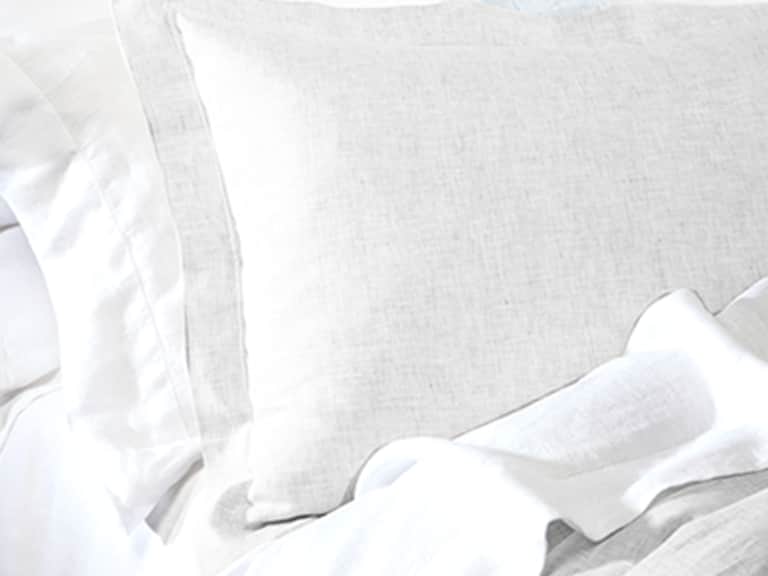
A quintessential example of linen’s quiet luxury, the Layla Linen Duvet Cover embodies the relaxed yet refined aesthetic that defines modern linen care. Crafted from 100% stone-washed flax linen, it offers a soft, breathable hand and a naturally cooling feel—perfect for year-round comfort. The hemstitch detail and flange provide subtle architecture to the bed, while its Portuguese origin signals textile longevity and heritage craftsmanship.
Care is straightforward: machine washable, low-maintenance, and designed to improve with time. The linen’s loose weave promotes air circulation and moisture management, creating a sleeping environment that stays fresh and inviting across seasons.
Product image: Layla Linen Duvet Cover
Note: Visuals are placeholders here to evoke the luxurious texture and detail of the Layla Linen Duvet Cover. Displayed product reference is provided for context within this editorial, with an emphasis on the linen’s durability and timeless styling.
Editorial Take: The Lorraine Linen Care Ethos
The Lorraine region—an evocative cue—underscores a philosophy of textiles rooted in heritage, craftsmanship, and a modern approach to care. This guide blends heritage with contemporary routines, crafting a care culture that honors the fabric’s character while ensuring longevity. From stain mastery to seasonal refresh, the principles remain timeless: treat linen with thoughtful restraint, celebrate its natural beauty, and invest in routines that reward you with a sleeping environment that feels as elegant as it looks.
Heritage meets practicality
Heritage provides context; practicality ensures adoption. The Layla linen line is a perfect illustration of how a product can honor craft while fitting seamlessly into a contemporary care routine.
Evidence-based care
Care strategies rely on a blend of textile science and real-world experience. This guide distills those insights into steps that readers can trust and apply without hesitation.
A design-forward approach
Care practices influence aesthetics. Well-cared linen ages gracefully, maintaining its texture and luster, which translates into a bed that looks as polished as it feels.
Conclusion: Longevity, Luxury, and a Lovingly Worn Linen
Linen care is an invitation to elevate daily rituals into moments of refined simplicity. By embracing patient stain management, gentle washing, mindful drying, and thoughtful storage, you extend linen’s life and preserve its character. The Lorraine-inspired ethos—combining heritage with contemporary care—serves as a guiding compass for a home that feels both timeless and utterly chic. In this guide, luxury is defined not by opulence alone but by the quiet confidence that comes from knowing your textiles are cared for with intention and craft.
Key Individuals: A Timeline of Influence
From antiquity to modern textile innovation, three figures illuminate linen’s journey and inform care practices across eras. Each represents a distinct time period and a different facet of linen’s story.
Ancient Times: Pliny the Elder (c. 23–79 CE)
The early documentation of textiles, including flax processing and linen weaving, laid the groundwork for linen’s reputation as a durable, breathable fabric. Pliny’s natural history, while not a manual of care, reflects early attention to textile properties—an invitation to appreciate linen’s practicality in historical wardrobes and households.
Renaissance to Industrial Shift: Thomas Bewick (1753–1828)
With the advent of mechanized textile production, linen manufacturing saw leaps in consistency and reach. The era’s craftspeople and designers bridged traditional handwork with machine-assisted techniques, transforming linen into accessible luxury for broader audiences. This period informs modern care by emphasizing durability and standardized finishes that endure wash cycles.
Contemporary: Arianna Huffington (b. 1950s) and The Modern Care Ethos
In the modern weave of lifestyle media and responsible textiles, contemporary editors and designers champion effortless care routines, sustainable fabrics, and transparent sourcing. This lineage informs today’s care culture—where editorial aesthetics meet evidence-based practices for longevity and environmental mindfulness.
Reference: The Duvet Cover Spotlight and Quick Product Link
The Layla Linen Duvet Cover exemplifies the product archetype discussed, offering a practical touchstone for how a high-quality linen piece participates in daily rituals. For readers seeking a tactile sense of luxury, this piece demonstrates how the right textile weight, weave, and finish translate to year-round comfort and refined styling.
Experience cool, breathable comfort nightly with this stone-washed flax linen duvet cover. Soft, durable, and easy to wash, it drapes elegantly in white with subtle hemstitch and flange—perfect for year-round, relaxed sophistication. Made in Portugal.
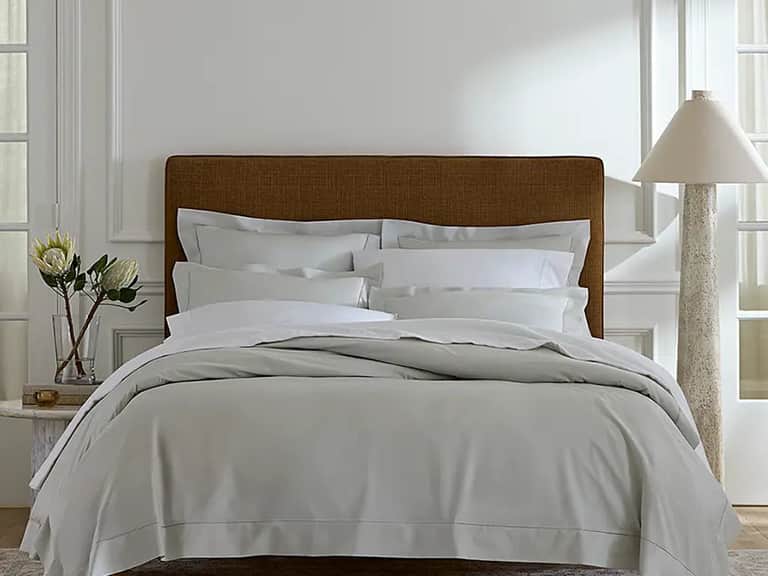
Experience a cool, crisp night with Luxor Fitted Sheet—Italian-made, 100% Egyptian cotton percale that feels light, airy, and matte. Simple care, refined hems, and a secure fit elevate daily comfort and bedroom polish.
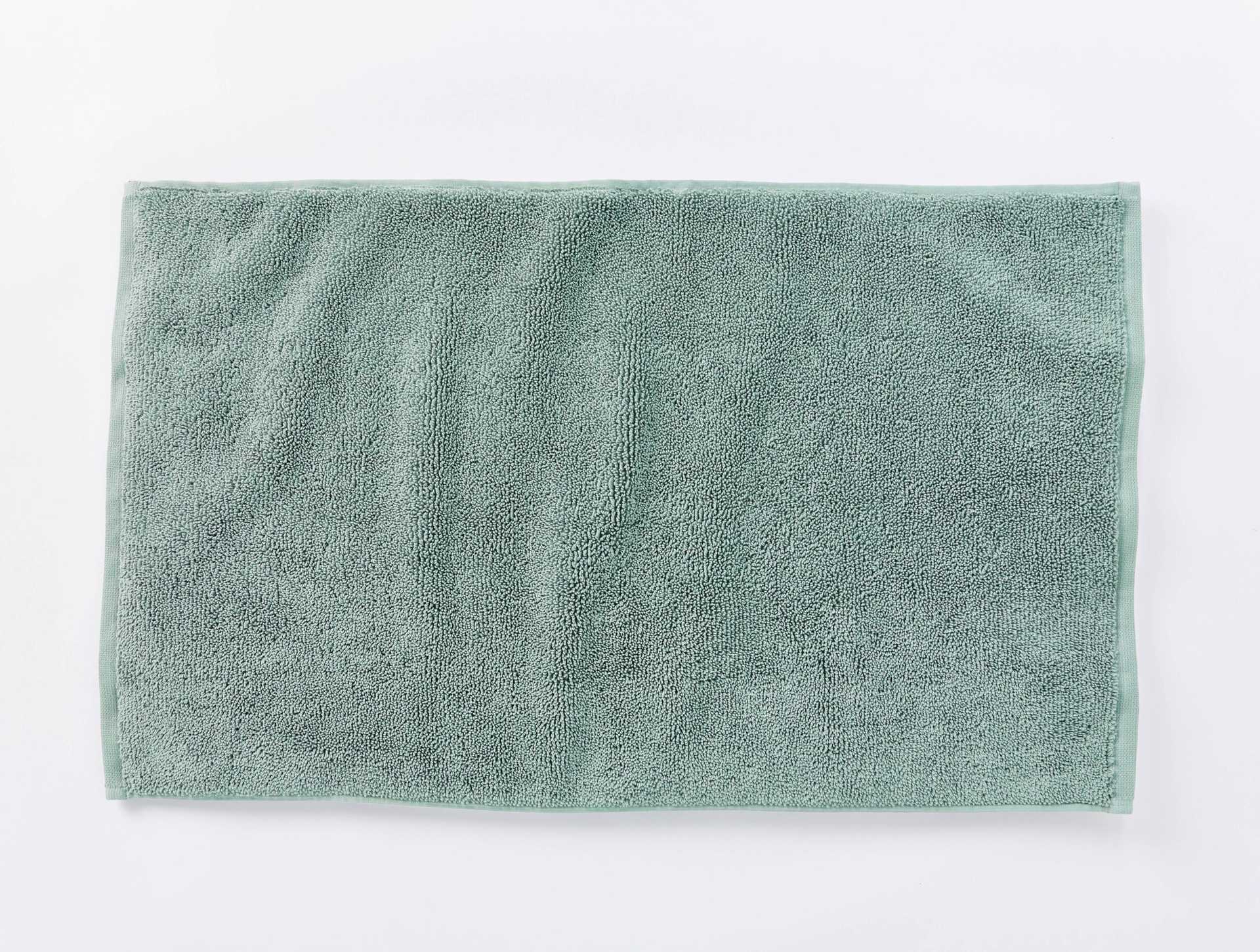
Wrap yourself in plush, quick-drying luxury with our 100% organic cotton bath mat. Absorbent 1200 gsm loop, tidy self-hem, and durable GOTS-certified fibers—soft underfoot, easy to rinse, and perfect beside the shower for a sustainable, spa-like feel.