Bedding · Linen care guide
What Makes Organic Relaxed Linen Sheets Different?
A good bed is a study in contrasts: crisp against soft, considered against effortless. Organic relaxed linen sheets bring those qualities together in a fabric made from flax, with a naturally textured surface, an easy drape and a finish that grows more supple through use. Understanding what “organic” and “relaxed” actually mean can help you choose wisely—and care for your sheets with confidence.
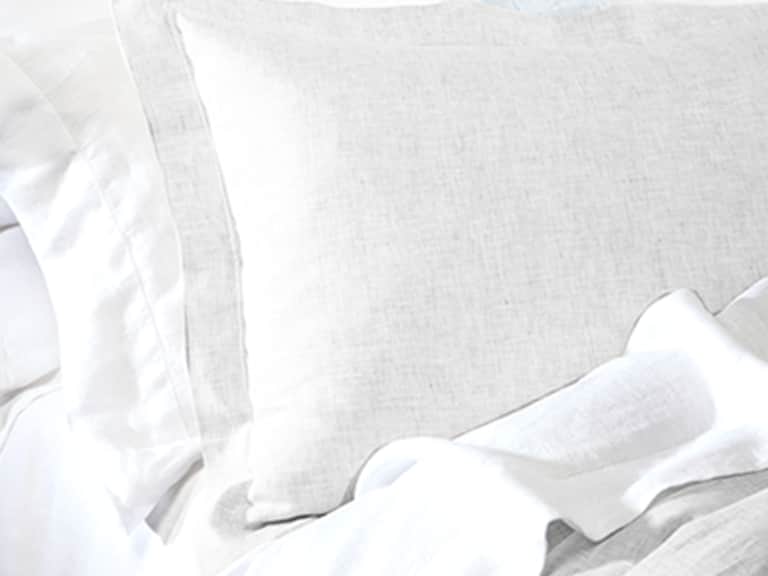
Linen has a particular kind of presence. It does not aim for a glassy, perfectly uniform surface; its fine irregularities are part of the appeal. On a bed, that texture lends depth to even the simplest palette, while the fabric’s open, airy character makes it a practical choice for people who prefer a breathable sleep surface. Organic relaxed linen sheets take that familiar material and add two qualities worth examining: organic fiber sourcing and a softer, more lived-in finish.
Those words can sound like shorthand for a look. In fact, they refer to different parts of the story. “Organic” concerns how the fiber is grown and, depending on the certification, how parts of the textile supply chain are managed. “Relaxed” usually describes the fabric’s finish and hand: less crisp and formal, more pliable from the start. Neither term alone tells you everything about quality, durability or fit. The useful details are found in the fiber composition, certification, construction, origin and care label.
For anyone comparing linen bedding, these distinctions turn a vague impression into a practical decision. The goal is not to find a sheet that promises a perfect night’s sleep; no fabric can guarantee that. It is to understand how linen behaves, what a particular set is made from and whether its character suits your habits.
Start with flax: the fiber behind linen
Linen is made from the fibers of the flax plant. Once harvested and processed, those fibers are spun into yarn and woven into cloth. The finished fabric can feel crisp, substantial, soft, or fluid depending on the yarn, weave, weight and finishing choices. That is why two linen sheet sets may share a fiber name yet feel noticeably different in the hand.
Flax fibers are naturally strong, and linen often has a visible texture that distinguishes it from smooth cotton sateen. The surface may show small variations in thickness, sometimes called slubs. These are characteristic of the fiber and yarn, not necessarily signs of a flaw. For some, that unevenness is precisely what makes linen feel tactile and individual; others may prefer the more uniform surface of percale or sateen.
Linen is also valued for air movement and moisture management. Its structure can help moisture disperse from the surface, and the fabric generally feels breathable in use. That does not mean linen is always cool in every room or for every sleeper. Bedding comfort depends on the entire sleep environment: room temperature, humidity, mattress, duvet weight, sleepwear and personal preference. Linen’s appeal is its adaptable feel, not a promise that it will regulate every person’s temperature in every climate.
Because flax is a natural fiber, linen may crease. A relaxed finish makes those creases feel like part of the design rather than a problem to be pressed away. If a perfectly smooth bed is essential to you, linen may require more ironing—or may simply not be your preferred aesthetic. If you enjoy a softly rumpled surface, that same quality can be a quiet advantage.
What “organic” means—and what it does not
Organic linen begins with flax grown according to organic agricultural standards. A certification can offer more meaningful information than an unqualified claim, but it is important to read what the particular label covers. Some standards focus on fiber production, while broader textile certifications address additional stages of processing and environmental or social criteria. The certification name, scope and current status are the details that matter.
GOTS, the Global Organic Textile Standard, is a widely recognized textile certification. When a product is described as GOTS-certified, check whether the certification applies to the finished product, the processing facility, or a particular part of the supply chain. A trustworthy product description should make the claim clearly and allow consumers to verify it when necessary. The word “organic” on its own does not explain where the flax was grown, where the fabric was woven, or how every stage of production was handled.
Organic certification is not a synonym for “chemical-free,” “allergy-proof” or “environmentally perfect.” Textile manufacturing involves multiple processes, and no single label can describe every impact. Nor does organic certification tell you whether a sheet will feel soft, fit a deep mattress or last longer than another sheet. These are separate questions, answered by construction details, testing, product specifications and care.
For a considered purchase, look for a clear account of fiber content and provenance. A product might state that its flax was grown in one country and its linen woven in another. That information is useful: cultivation and weaving are different steps, and country of origin can vary across a textile’s journey. It is better to have precise, stage-specific information than a sweeping description that leaves the process obscure.
The meaning of a relaxed finish
“Relaxed” is often a description of hand and appearance rather than a universal technical standard. Linen sheets sold as relaxed may be washed, softened or otherwise finished to create a more pliable feel than untreated, crisp linen. The exact method varies by maker, so the product’s own specifications are more reliable than assuming every relaxed set is made in the same way.
This finish changes the first impression. Instead of waiting through several washes for the fabric to lose some of its stiffness, relaxed linen may arrive with a softer, more casual drape. It can still feel textured, and it should not be mistaken for brushed flannel or silky sateen. The aim is typically an easy, broken-in character that remains recognizably linen.
Many linen fabrics become softer with repeated laundering, although the pace and degree depend on the fiber, weave, finish and how the sheets are washed. Softening is not an invitation to use aggressive products. Excessive detergent, bleach, high heat and fabric softener can compromise some textiles or leave residues. Follow the care instructions supplied for the actual set rather than relying on a general rule that every linen responds identically.
The relaxed look also makes styling straightforward. Linen works well with a pared-back bed, but it need not mean a strictly neutral room. Its texture can temper polished finishes, complement cotton percale or add dimension to a simple color scheme. A smooth duvet cover against rumpled sheets—or the reverse—creates contrast without requiring a complicated arrangement.
Construction: weave, weight and the feel of the cloth
When comparing organic linen sheets, composition is a useful first checkpoint. A label that says 100% linen or 100% flax linen describes a different material from a linen-cotton blend. Blends can be appealing, but they may have a different texture, drape and care profile. If you are seeking linen’s characteristic hand, confirm the fiber content rather than relying on a collection name.
Fabric weight may be listed in grams per square metre, abbreviated as gsm, or in another unit. Weight can help distinguish a lighter, airier cloth from a more substantial one, but it is not a simple quality ranking. A heavier fabric is not automatically more durable or more comfortable; a lighter fabric is not necessarily delicate. Weave structure, yarn quality, finishing and stitching all contribute to how the sheet performs.
Pay attention to the construction of the fitted sheet. Pocket depth describes how much mattress height the fitted sheet is designed to cover, although the actual fit can also depend on mattress toppers and the shape of the corners. Measure your mattress, including any topper you normally use, and compare that total with the listed pocket depth. A full elastic edge can help the sheet stay in place, but it does not compensate for a pocket that is too shallow.
Set contents deserve a close read, too. Pillowcase quantities and sizes can differ by bed size and brand. Confirm whether a set includes a flat sheet, fitted sheet and pillowcases, and whether those pillowcases suit the pillows you own. Product photographs and collection names are not a substitute for a precise inventory.
Finishing details—such as stitched cuffs or a button closure on a duvet cover—are part of the textile’s design, but they do not determine whether a sheet is organic. Keep aesthetic details separate from material and certification claims when comparing options.
A simple checklist before choosing linen bedding
A little label-reading can prevent the most common mismatches. Before selecting a set, consider these questions:
- What is the fiber content? Confirm whether the fabric is 100% linen or a blend.
- What does the organic claim cover? Look for a named certification and clear information about its scope.
- Where were the flax and fabric produced? Distinguish fiber-growing origin from weaving and sewing locations.
- How is the fabric finished? Check whether it is prewashed, garment-washed or described as relaxed, and use the care label for specific instructions.
- Will the fitted sheet fit? Measure mattress depth with any topper in place, then compare it with the pocket measurement.
- What is included? Verify sheet sizes and the number of pillowcases in the set.
- Does the care routine suit your life? Decide whether you are comfortable with a textured, naturally creased fabric and its recommended laundering method.
This checklist is more useful than treating a high thread count as a universal measure of quality. Thread count is commonly used to describe cotton, but linen’s character is shaped by different fiber and construction factors. A clear specification of fiber, weight, weave, finish and fit is a better foundation for comparing linen bedding.
How to care for organic relaxed linen sheets
Care begins before the first wash. Read the label and separate light and dark colors where appropriate. If the manufacturer recommends washing the sheets before use, follow that direction. Avoid filling the machine to capacity: linen needs room to move through the water, and crowding can contribute to creasing and uneven rinsing.
Use the wash temperature and cycle stated on the care label. Many linen sheet sets recommend a gentle cycle and cold or moderate-temperature water, but instructions vary, particularly where the cloth includes a special finish or decorative stitching. A small amount of suitable detergent is generally preferable to an overly generous dose, which can be difficult to rinse away. Do not add bleach or fabric softener unless the manufacturer explicitly permits it.
Drying gently helps preserve the fabric. Line drying is an option when conditions allow; if using a tumble dryer, follow the stated heat setting and avoid over-drying. Removing linen while it is still slightly damp can make it easier to smooth by hand and may reduce the severity of creases. If you prefer a more tailored finish, iron while damp at the recommended setting. If you love the relaxed look, a careful shake and fold may be all that is needed.
Stains are best treated promptly, with a method appropriate to the stain and fabric. Blot rather than rub, and test any treatment in an inconspicuous area when the care instructions allow. Avoid using strong products simply because the cloth is organic: “organic” describes sourcing or certification, not a special immunity to stains or cleaning agents.
For storage, put sheets away clean and fully dry in a well-ventilated, dry place. Fold them loosely enough to avoid unnecessary pressure at the same crease every time. A regular rotation—rather than leaving one set in constant use—can distribute laundering and wear across your bedding. These simple habits support longevity without making linen care feel precious or complicated.
Common assumptions worth revisiting
“Organic linen is automatically softer.” Not necessarily. Organic refers to standards for fiber production or processing, depending on the certification. Softness is influenced by yarn, weave and finishing. A relaxed finish may feel soft sooner, but certification by itself does not prescribe a particular hand.
“Wrinkles mean the sheets are poor quality.” Linen naturally creases. The amount depends on the fabric and how it is washed and dried, but a softly crumpled surface is ordinary for the fiber. If you want a crisp, flat finish, ironing is an option; it is not a requirement for the fabric to be usable.
“Linen is only for warm weather.” Linen’s breathable feel makes it appealing in warmer conditions, but it can be used throughout the year. Layering, room temperature and duvet choice influence how warm the bed feels. No single sheet fabric regulates temperature independently of the rest of the sleep environment.
“The word organic guarantees a better environmental outcome in every respect.” It signals adherence to a defined standard, not a complete accounting of every impact. Consider the specific certification, fiber origin, manufacturing information, expected care and likely length of use. A durable item that suits your needs and is maintained well may be a more thoughtful choice than a product selected on a broad label alone.
“Linen must be difficult to maintain.” Many linen sheets are machine washable, but the correct routine depends on their particular construction. Gentle laundering, appropriate drying and attention to the care label make maintenance manageable. The trade-off is largely aesthetic: linen is comfortable with a natural crease.
How relaxed linen fits into a considered bedroom
Relaxed linen can make a room feel composed without making it feel formal. Its visible texture gives neutral shades a little movement, while the drape softens crisp architectural lines and smooth surfaces. In a minimal bedroom, that may be enough ornament. In a layered room, linen can provide a calm base for patterned cushions, a heavier coverlet or a contrasting cotton weave.
For a balanced bed, think in terms of touch as well as color. Pairing linen with a crisp percale top layer creates a contrast between dry, textured softness and a cooler, smoother hand. A cotton blanket or wool throw adds another distinct surface. These choices are not rules; they are ways to shape the sensory character of a room.
Color can change the impression of the same cloth. Pale shades emphasize a light, airy feeling, while deeper tones make the texture more pronounced and the bed more grounded. Natural variations in the fabric may be especially noticeable in solid colors. If color consistency matters, review the maker’s notes and wash instructions, and avoid assuming every dye behaves identically.
The most successful bedding is often the kind that supports an everyday routine rather than demanding constant styling. Relaxed linen’s easy, slightly undone appearance is part of its appeal: a bed can look inviting without being perfectly pressed. That is a design preference, but it is also practical for people who want texture and softness without turning bed-making into a daily performance.
The difference, distilled
Organic relaxed linen sheets are distinguished by the combination of their flax-based fiber, the standards behind an organic claim and a finish intended to give the fabric a softer, more lived-in character. Linen brings its own recognizable texture and breathable feel. Organic certification can add useful sourcing and processing information, provided the label is clear about what it certifies. A relaxed finish shapes the experience of the cloth, but its exact meaning depends on the maker.
When choosing a set, let the details do the work: confirm the fiber content, investigate the certification, check the stated origin, assess pocket depth and contents, and read the care label. Then consider the part no specification can decide for you—whether you enjoy linen’s tactile surface and natural creasing. If you do, relaxed linen offers a quietly expressive foundation for the bed: comfortable in its informality, and increasingly personal with use.
Frequently asked questions
Do organic relaxed linen sheets get softer?
They may soften with repeated use and laundering, though the result depends on the fiber, weave, finish and care routine. A relaxed finish can give the fabric a softer hand from the beginning, but it does not mean every set will feel identical.
Are linen sheets suitable for all seasons?
They can be used year-round. Linen is valued for breathability and moisture management, while layers and duvet weight help adapt the bed to changing conditions. Individual comfort varies with the room and the sleeper.
What does GOTS-certified linen tell me?
GOTS is a textile certification with defined requirements. Check the specific product claim and its certification details to understand whether certification applies to the finished textile or another part of the supply chain. It does not, on its own, tell you the sheet’s softness, fit or care needs.
Should linen sheets be ironed?
Only if you prefer a smoother finish and the care label permits ironing. Linen naturally creases, and relaxed linen is often chosen precisely because it looks comfortable and informal without being pressed.