Linen care · Bedding
Choosing and Caring for a Naturepedic Organic Linen Duvet Cover
A duvet cover is both a practical shield for its insert and one of the most tactile elements in a bedroom. Naturepedic’s organic linen version brings a relaxed, naturally textured surface to the bed, with considered construction details designed to keep the duvet in place. Understand the fabric, assess the fit, and care for it thoughtfully, and the result is bedding that feels inviting from the first night and grows softer through regular use.
Published November 18, 2026
Why linen changes the feel of a bed
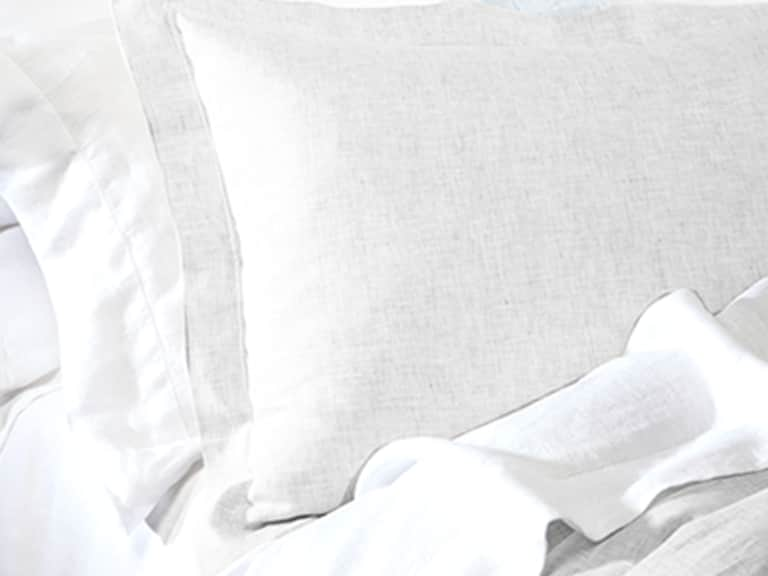
Linen begins with flax, a plant fiber spun and woven into a fabric known for its distinctive texture and easy drape. Unlike a perfectly smooth, pressed surface, linen has a gentle irregularity: a softly rumpled finish that makes a bed feel considered without appearing overly formal. It is a material with presence, yet it does not need elaborate styling to make an impression.
Naturepedic’s organic linen duvet cover is described as being made from GOTS-certified organic flax linen. The flax is grown in France, and the linen is woven in India in a GOTS-certified organic facility. The cover has a fabric weight of 185 grams per square metre and is stone-washed, a finishing process that gives linen a more relaxed hand. These details offer useful context when comparing organic linen duvet covers: fiber source, certification, fabric weight and finish all help explain how a cover may look and feel.
Linen’s open, breathable character makes it appealing to people who prefer bedding that does not feel dense or clingy. The fabric can help move moisture away from the body and allows air to circulate, qualities often associated with a comfortable sleep surface. Comfort, however, is personal. Room temperature, duvet insert, sleepwear and individual preference all affect how warm or cool a bed feels. A breathable cover is one part of that equation, not a guarantee of a particular sleeping temperature.
Over time, linen commonly becomes softer with laundering and use. That evolution is part of its appeal: a new cover may feel textured and substantial, while repeated wear gradually settles the surface into a more familiar softness. The goal of care is not to keep linen looking rigidly pristine, but to maintain the cloth’s strength, shape and appealing natural character.
What to consider before choosing a duvet cover
Start with the dimensions
Before choosing any duvet cover, check the dimensions of both the cover and the insert. A cover that is too small can compress the insert and make the bed feel lumpy; one that is too large may allow the insert to shift and gather at the corners. Naturepedic’s organic linen duvet cover is offered in Full/Queen and King/California King sizes. Confirm that the selected size suits the actual insert, especially if the insert’s measurements differ from standard sizing.
It is also worth considering the depth and weight of the insert. A substantial duvet may fill a cover differently from a lightweight one, even when both are labelled the same size. If you are replacing an existing cover, compare its measurements with the new cover rather than relying on the size name alone.
Look at the closure and interior construction
A duvet cover has to do more than look beautiful on the bed. Its closure should make changing the cover manageable, while interior details help the insert remain evenly distributed. Naturepedic’s design includes an eight-inch interior flap, coconut shell buttons and inside ties. The ties secure the insert at the corners, helping reduce shifting during the night; the flap and buttons close the opening and keep the duvet enclosed.
When inserting a duvet, turn the cover inside out and lay it flat. Match the corners of the insert with the cover’s interior ties, fasten them securely, then roll or shake the cover back over the insert. Close the buttons and give the duvet a gentle shake from the top corners. This small routine makes a noticeable difference to the finished bed: the insert sits more evenly, and there is less need to readjust it each morning.
Understand what “organic” and certification mean
Certification can help readers assess how a textile was produced, but it is useful to understand what the label actually identifies. The product details describe this cover as GOTS certified. The Global Organic Textile Standard, commonly abbreviated GOTS, is a textile certification covering organic fiber and specified environmental and social criteria across processing. For exact scope and current certification status, readers can consult the product label or the certifier’s documentation.
Organic certification is not a substitute for checking comfort, construction or care needs. The right cover is one that suits the insert, the way you sleep and the amount of maintenance you are willing to undertake. A well-chosen textile is as much about everyday use as it is about provenance.
A simple routine for washing linen bedding
The care label on the specific duvet cover should always take priority over general advice. The product information for this Naturepedic cover recommends machine washing warm, tumble drying on low, warm ironing if desired, and avoiding bleach. If the sewn-in label gives different or more detailed instructions, follow that label.
Before washing, fasten the buttons and turn the cover inside out if you want to reduce friction on the visible surface. Check the drum for objects that might snag the fabric, and wash the cover with similar colours. A duvet cover needs room to move through the wash. Overloading the machine can leave detergent in folds, reduce rinsing and increase creasing, so wash it separately or with a small, compatible load.
Use a measured amount of detergent. More soap does not necessarily mean a cleaner result; excess can be difficult to rinse away and may leave a residue that makes fabric feel less fresh. Avoid chlorine bleach, which the supplied care instructions specifically prohibit. If treating a mark before laundering, test any cleaning product on an inconspicuous area first and avoid vigorous scrubbing that can roughen or weaken the weave.
Choose the warm wash temperature indicated for the cover rather than assuming that hotter water is better. A moderate, label-approved cycle is usually sufficient for routine laundering. Once the wash is complete, remove the cover promptly, open it out and untangle any sections that have twisted together. This helps prevent damp creases from setting in while the fabric waits in the machine.
Dry gently and avoid over-drying
For this cover, the stated guidance is tumble dry low. A lower setting reduces unnecessary heat exposure and gives you greater control over the finish. Remove the cover while it is just dry, rather than leaving it to tumble long after moisture has gone. Over-drying can make linen feel harsher and encourage deep creasing. If you prefer an especially relaxed look, smooth the cover by hand and put it back on the bed while it is still slightly warm from the dryer.
Air-drying is another option when you have enough space and the care label permits it. Spread the cover out evenly so that it can dry without remaining folded into damp layers. Keep it away from sources of excessive heat, and ensure it is completely dry before storage or use. Damp linen put away in a cupboard can develop an unpleasant smell and may be more vulnerable to mildew.
Wrinkles are a natural feature of linen, not a sign of poor care. If you prefer a more polished finish, use a warm iron as the product instructions allow. Pressing while the fabric is slightly damp can make creases easier to smooth. Work in manageable sections and avoid using a hotter setting than the label recommends. A relaxed linen bed rarely needs to be perfectly flat; a light hand often looks more natural.
Keeping the texture, fit and colour in good condition
Good linen care is largely about avoiding extremes: too much heat, too much friction, too much detergent and too little room in the wash. Small habits make a difference over the life of the cover. Rotate bedding if you own more than one set, and allow the cover to air between changes. Regularly inspect buttons, buttonholes and ties; attending to a loose thread early can prevent a minor issue from becoming a repair.
- Wash with similar colours. This helps reduce the chance of colour transfer, particularly when laundering new bedding for the first time.
- Keep the load comfortable. A duvet cover needs space to rinse and move freely.
- Use gentle handling. Avoid rough mixing with items that have zips, hooks or abrasive trims.
- Remove promptly. Open the cover after washing and drying to limit concentrated creases.
- Store only when fully dry. A clean, dry cupboard helps protect bedding between seasons.
Linen may crease more readily than some tightly finished fabrics. That is part of its character. The fabric’s texture softens the impression of wrinkles, so a freshly laundered cover can look inviting without being pressed to a crisp finish. If the surface seems stiff after washing, check whether the machine was overloaded or whether detergent was overused; residue and incomplete rinsing can affect the hand.
Colour care deserves similar restraint. Follow the product’s instructions and avoid strong bleaching agents. When possible, keep light and dark bedding in separate loads. Prolonged exposure to direct sunlight can affect some dyed textiles, so store the cover out of harsh light when it is not in use. These are sensible precautions for maintaining bedding, rather than promises that every colour will remain unchanged indefinitely.
Building a calm, considered bed
A linen duvet cover can be the quiet centre of a bedroom scheme. Its matte texture works naturally with smooth cotton sheets, a wool throw or simple pillowcases, bringing depth without requiring a complicated colour story. For a composed look, repeat one or two tones across the bed and let the linen’s weave provide contrast. For a more layered arrangement, vary texture rather than adding many competing patterns.
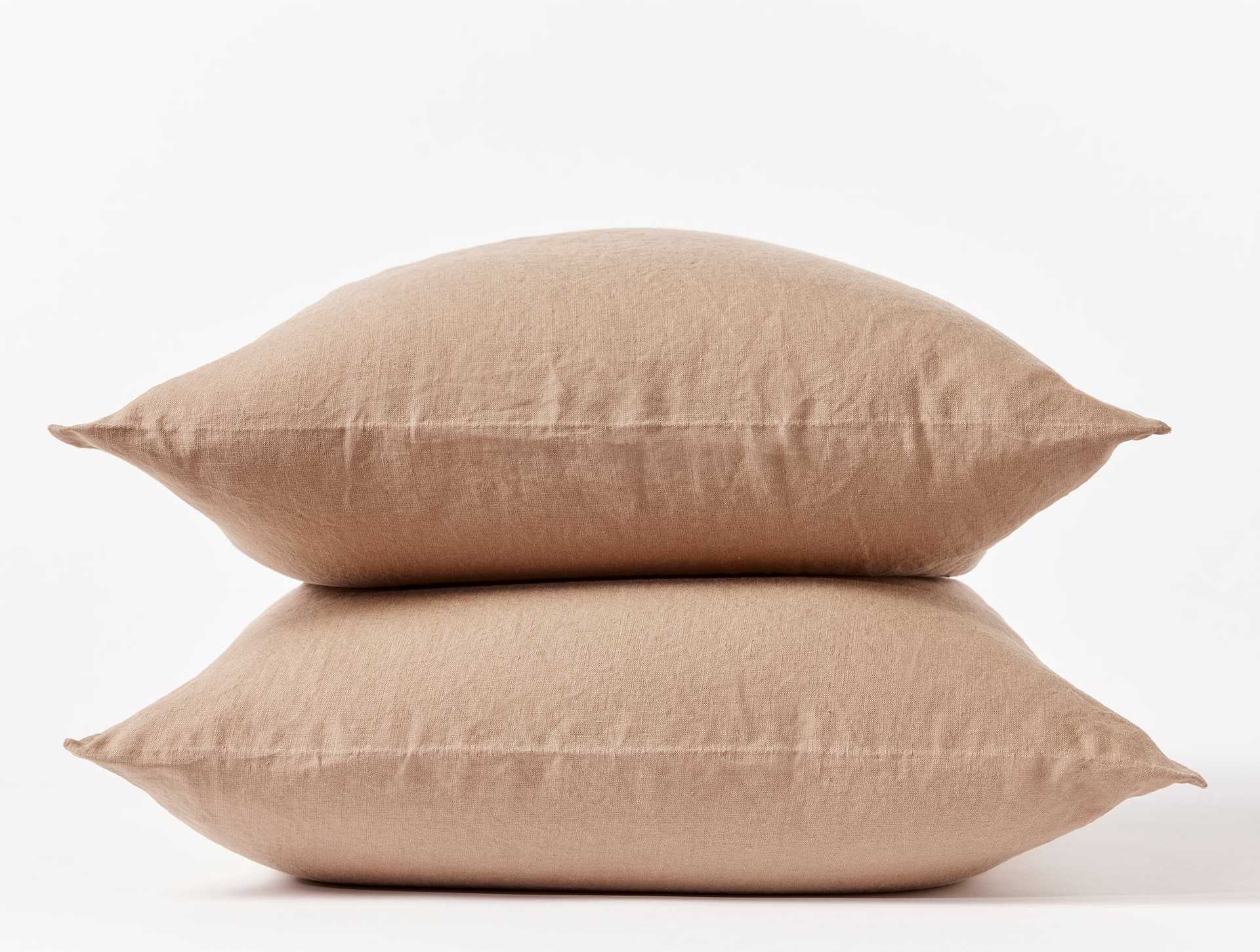
Naturepedic’s cover is available in understated, earth-toned colours listed as Arctic Snow, Beige, Harbor Island and Forest Canopy. These shades can sit comfortably within a range of interiors, from spare and tonal to more collected. The most versatile choice is often the one that works with bedding already in rotation; a cover that coordinates with existing sheets is more likely to be used regularly and cared for consistently.
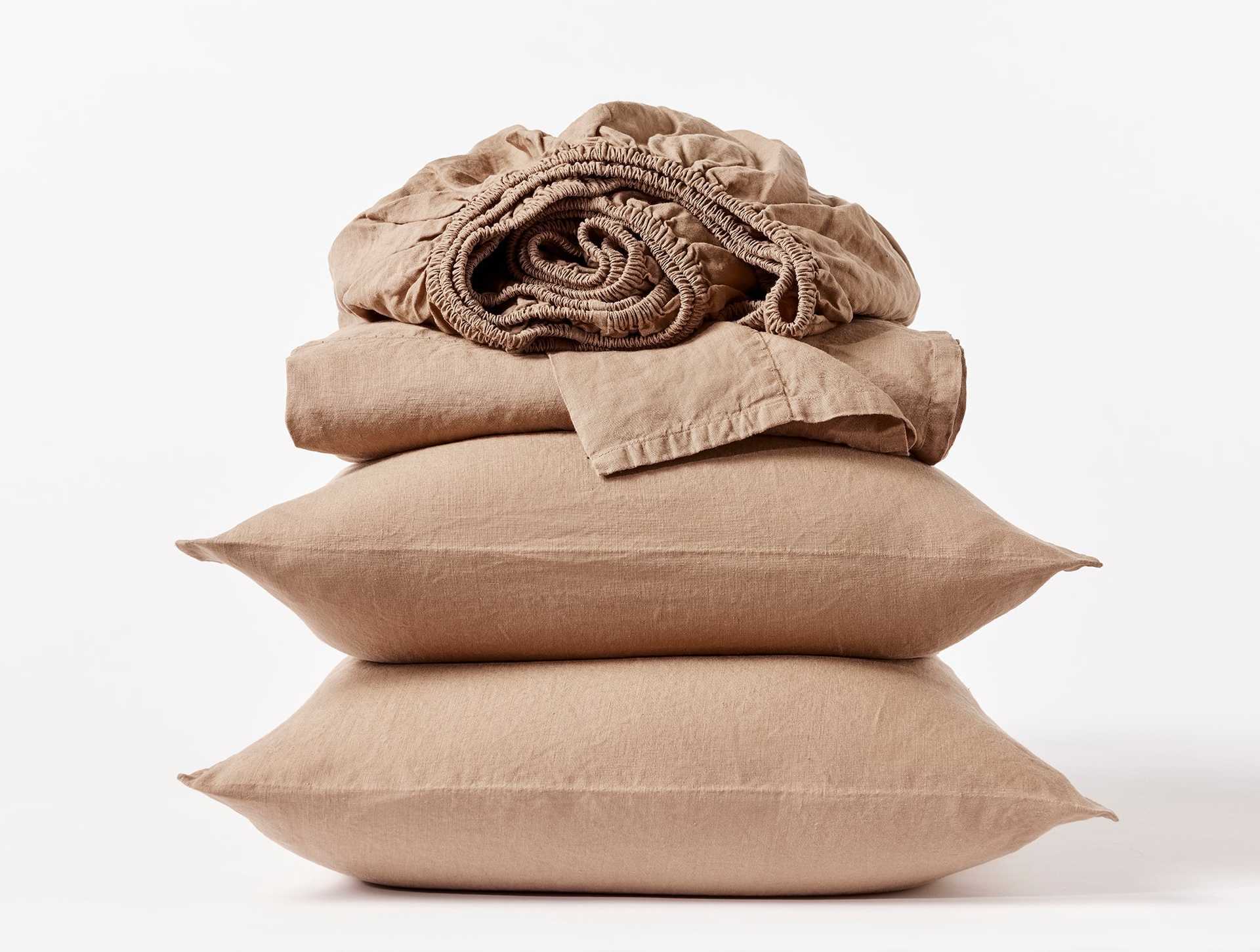
For a coordinated linen bed, it can be useful to pair the cover with compatible sheets and pillowcases, while remembering that fabrics from different collections may have different finishes and care instructions. Naturepedic’s organic linen sheet set, for example, is described as a breathable linen option with a 15-inch fitted-sheet pocket and care guidance that calls for a warm machine wash, low tumble drying and no bleach. Always check the instructions for each item rather than assuming every linen piece should be washed identically.
The best bedding routine is not elaborate. Keep a spare set if possible, wash pieces before they become heavily soiled, and give them time to dry fully. A regular rhythm makes laundry easier and helps the bed feel fresh without treating a durable textile as fragile.
Common linen duvet cover questions
Will organic linen feel soft immediately?
It may feel different from smooth cotton or brushed fabrics, because linen’s woven surface has a more noticeable texture. This cover is stone-washed, which gives it a relaxed finish, and linen commonly softens with use and laundering. Individual impressions of softness vary, and the duvet insert and sheets beneath it also affect the overall feel of the bed.
Does linen only suit summer?
No. Linen is often chosen for its breathability and moisture management, but a duvet’s warmth depends heavily on the insert and the bedroom environment. A linen cover can be used throughout the year; adjust the insert to the season and your own comfort rather than treating the cover as a seasonal item.
Can the cover go in a regular washing machine?
The supplied product guidance says it is machine washable. Use the care label’s specified temperature and avoid cramming the cover into a small load. If your machine is not large enough for the cover to move freely, a larger-capacity machine may produce a better rinse and reduce excessive creasing.
Should linen always be ironed?
No. Ironing is optional, and the relaxed texture is part of linen’s appeal. If you prefer a smoother appearance, the product information permits warm ironing. Pressing the cover while slightly damp can make the task easier, but there is no need to pursue a perfectly crisp finish.
How do the inside ties help?
The ties attach to the duvet insert’s corners to help keep it distributed inside the cover. Secure all available ties before closing the buttons. If the insert still shifts, check that it is the right size for the cover and that the ties are fastened to the corresponding corners.
The considered choice
Choosing a Naturepedic organic linen duvet cover means weighing more than colour or first impression. Fabric origin, organic certification, weight, size and closure design all contribute to how the cover fits into daily life. Its French-grown flax, GOTS certification, stone-washed finish, interior ties and coconut shell buttons offer a clear picture of the material and construction behind the relaxed look.
To care for it, begin with the label, leave room in the washer, use a measured amount of detergent, and dry on low without overdoing it. The cover is designed to be washable, and its texture is meant to live with use rather than resist it. For readers exploring the specific design, see the Naturepedic Organic Linen Duvet Cover Sets details and confirm the selected size and care instructions before laundering. Thoughtful, uncomplicated habits are what allow linen bedding to feel at home: relaxed, breathable, and quietly elegant.